🗣️How to pronounce Kimaya: key-MY-a [like a house key and the name Maya]
listen here
📍Northampton, MA
🎧 Dreamy, vocal-forward R&B with soul roots and an indie rock backbone
🖤 🇮🇳 🏳️🌈 Proudly Black, desi, and queer
Bio
[Short bio for events here]
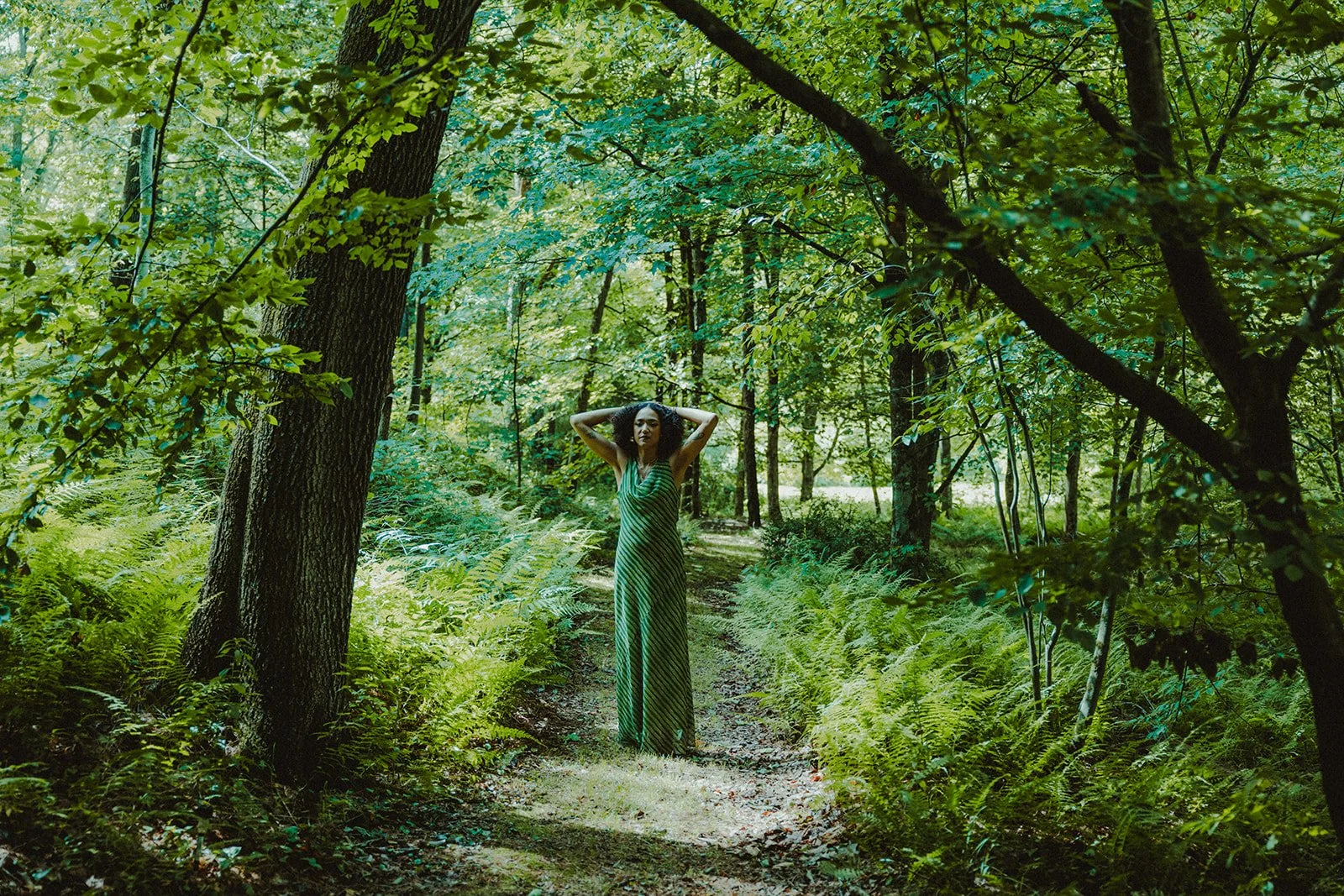
When Kimaya Diggs thinks of green, she thinks first of her backyard in summer.
Her house sits against woods that open onto a farm, and in the warm months the whole place seems to layer itself: trees over trees, native plants, birds, insects, and the deep living texture of land that has been tended carefully. When she moved there, the landscape was crowded with invasive plants. For years, she has worked to bring it back into balance.
That image became the beginning of Green, her new album out October 2nd: a record about growth that has been happening quietly for a long time, then arrives all at once.
“To me, green captures the seasonal moment when the first leaves come out,” Diggs says. “There’s no other moment where the landscape transforms so rapidly. The transition from summer into fall is very slow, but the transition from winter into just that moment of all the leaves coming out is so extraordinary to me. And it feels like some of the personal growth that I’ve made, which feels like it’s taken a long time to come and then, when it comes, it comes suddenly.”
For Diggs, a musician, songwriter, poet, producer, and world-builder from Western Massachusetts, Green marks a moment of arrival. Newly off supporting dates with Mavis Staples, Emily King, Trombone Shorty, and Tank & the Bangas, she enters this album with a clearer sense of her own authority: as a vocalist, as a storyteller, and, for the first time in such a complete way, as the lead producer directing the shape of the record.
The 12-song collection follows her 2023 album Quincy, as well as the 2024 singles “I’m Sad Again” and “Everything Is Not Lost.” Where Quincy was tied closely to grief, caregiving, and the losses that reshaped Diggs’ life, Green begins somewhere different. It begins with questions.
“Emotionally, it began with a question of belonging and of goodness,” she says. “Where do I belong as a person? And how can I be good enough? How can my values be reflected in the way that I live?”
Those questions eventually formed the album’s hidden architecture. What makes a place feel like home: the people, or the land? If a spirit were reincarnated, would it keep making the same mistakes forever, or would some part of it learn? And how good does a person have to be to keep bad things from happening?
That last question came from a brutal period in Diggs’ life. In a relatively short span, she lost her mother, lost a friend in an accident, lost her dog Quincy, developed a disabling autoimmune disease, and experienced the abrupt end of a close friendship. In the fog of it, she found herself reaching for a reason.
“I started to think, ‘Oh, this wouldn’t happen to a good person,’” she says. “Something has to make sense here, and I am the common denominator in all of this, so this must be my fault.”
By the end of making Green, the question had changed. It was no longer, How do I become good enough to avoid pain? It became, How do I become resilient enough to survive what life will inevitably bring, while staying open, curious, compassionate, and alive?
“That realization, I think, kind of saved my life,” Diggs says. “It turned me from the path of being one of those people who at the end of my life was going to be bitter and broken, and put me on the path of somebody who’s going to be filled with gratitude whenever my life ends.”
Diggs has been building worlds since childhood. Raised in South Hadley, Massachusetts, near the edge of the Mount Holyoke College campus, she grew up the oldest of three sisters in a home filled with music and movement. Her parents were dancers; the house rang with 1970s soul and funk, classical music, show tunes, and much else. She played cello, sang with her sisters, and toured libraries and schools in a sibling trio called Knock a Noodlehead Sister Singers. No one in the family can quite explain the name.
She was also, by her own account, a dramatic child. She wrote poems, songs, stories, and one-woman shows, then made her sisters perform in them. In one family-famous piece, a freezing traveler wanders through the woods, begs a cloaked stranger to share a fire, is refused, and dies tragically. Diggs played every role.
“I was always daydreaming and imagining a bigger narrative,” she says.
Performance was never separate from writing for her. It completed the circuit. As a child, she would go into the bathroom, turn off the lights, and sing Whitney Houston, Diana Ross, and show tunes into the darkness, imagining a theater full of people listening back. At nine and a half, at a contra dance in Vermont, she heard an Irish tune her grandmother had recently taught her. An older kid encouraged her to go sing it with the string band. She did. The dancers stopped and turned toward her.
“I cannot believe people are listening to me sing right now,” she remembers thinking. “Maybe I can be a singer.”
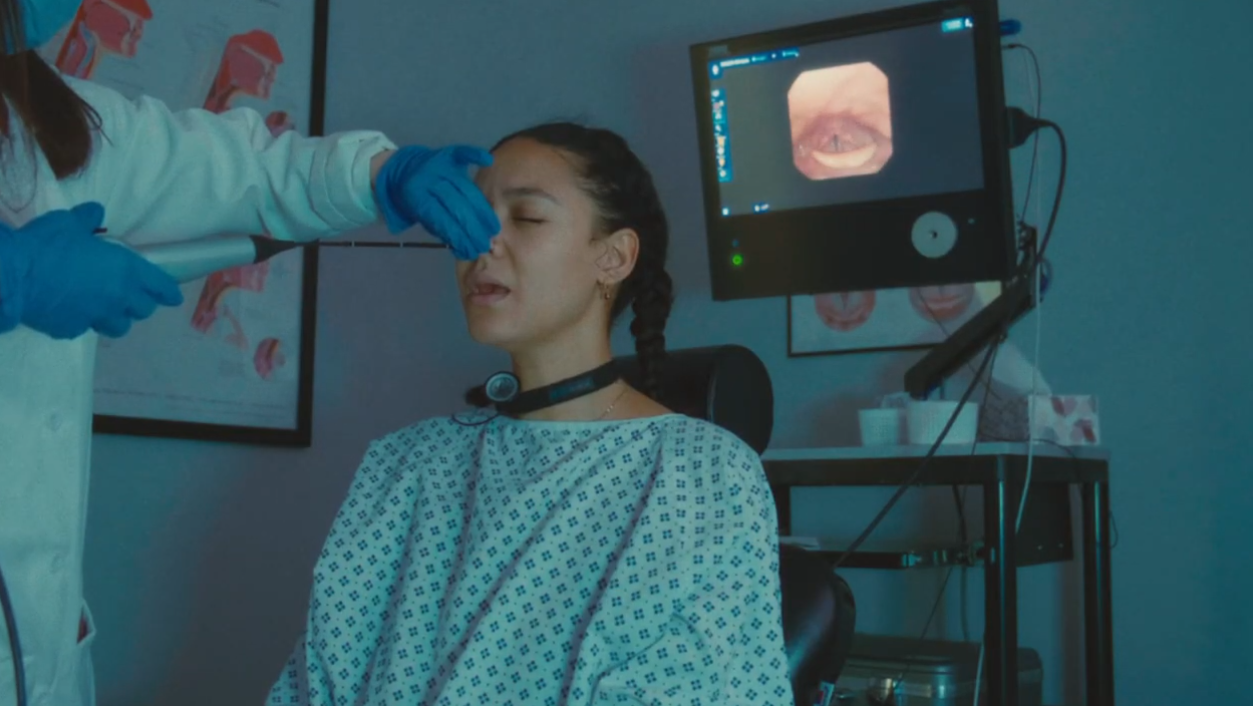
That early sense of the voice as destiny was tested years later. Diggs studied opera in college, where she deepened her technique and learned what she calls “the power of text” in connecting with an audience. But during that same period, she sustained a vocal injury that worsened over time, eventually requiring surgery seven years ago. The recovery involved weeks of not speaking and a long rebuilding process. Losing her voice changed her understanding of what singing meant to her.
“Without being able to sing, I felt that I couldn’t express myself effectively,” she says. “No matter how eloquently I was able to speak or write, I still felt like a really key element of my expression was missing.”
Green is the first album Diggs feels she could sing with the full power of her restored voice. It is also the album where she allowed herself to take fuller control of the recording process. She knew she wanted it anchored by groove and a natural, living feel, so she began with the drummer. Wherever the right drummer was, she decided, she would go there.
That led her to Nashville, where she recorded basic tracks over three days at Barnfire Creative with drummer Erick Slick of Dr. Dog and a band assembled with help from bassist Rhees Williams, a longtime friend from her performing arts high school days. Jacob Rosazza and Ben Sanders provided additional production, with mixing by Scott Hundley. Diggs engineered roughly a quarter of the record herself.
In the studio, she arrived with a full sense of each song’s emotional center. “I know what this story is supposed to be,” she says. “And I think that is what I need to get the story told.”
That confidence runs through Green. The album moves through indie pop, soul, R&B, folk, rock, and spoken word, but never feels scattered. Its cohesion comes from Diggs’ own framework, what she thinks of as a three-dimensional matrix: each song placed in relationship to the others, closer to or farther from the album’s guiding questions about home, change, and goodness.
The sound reaches back to the music closest to her heart: Stevie Wonder, Marvin Gaye, Aretha Franklin, Minnie Riperton, Donny Hathaway, Lauryn Hill, D’Angelo, and, above all, Corinne Bailey Rae. Diggs still remembers hearing “Put Your Records On” in a shoe store as a child, asking her mother for a notebook, standing under the speaker to write down the lyrics she could catch, then bringing them to a librarian, who helped her find the CD. When Bailey Rae sang a line celebrating a Black girl’s natural hair, Diggs cried.
“I had never heard a song where I saw myself reflected,” she says. “I felt almost like a whole new life path suddenly unrolled in front of me.”
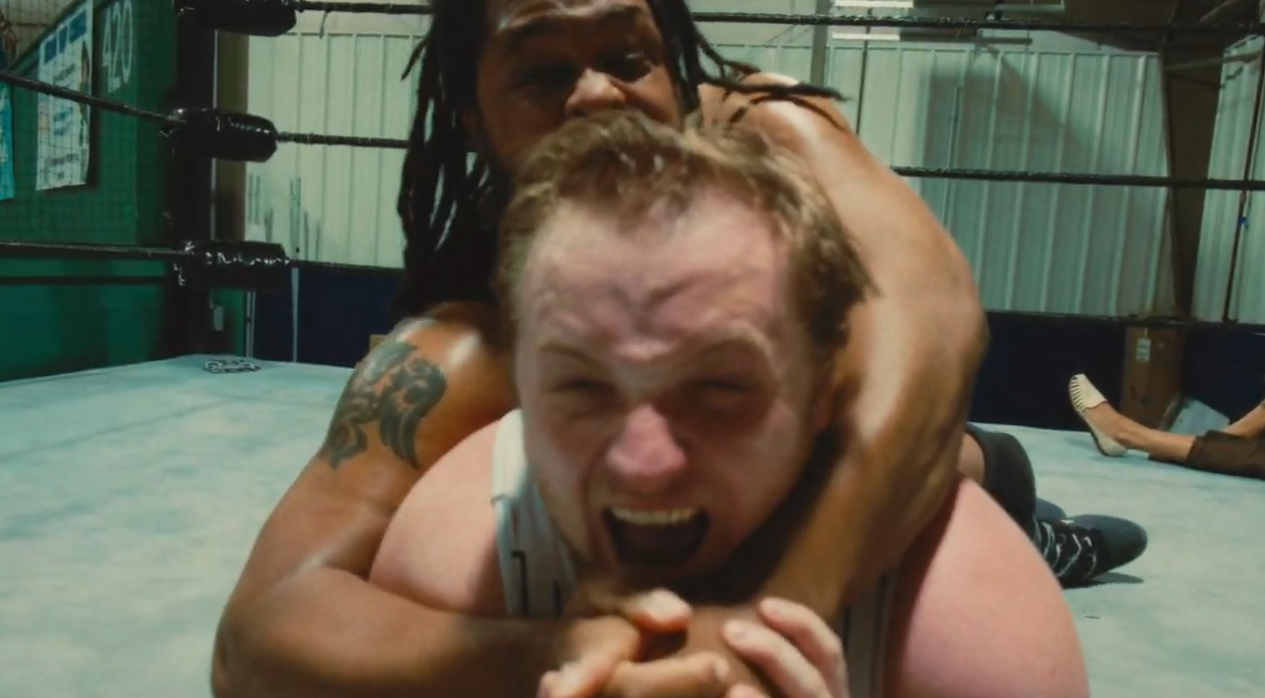
That sense of possibility is alive throughout Green, though the album refuses easy uplift. On “I Know That I’m Perfect,” Diggs channels rage through a distorted microphone made from an old telephone, responding to an ex-boyfriend who tried to coerce her into having children. The song became, in her words, a conduit for “the rage that comes with being made a side character in a man’s story.”
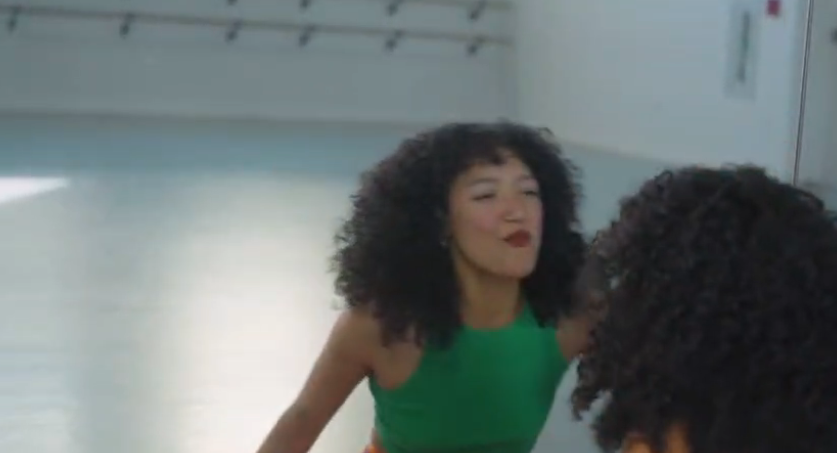
“Dance With Me” is lighter on its feet, rooted in the joy and delight of coming from a family of dancers and encouraging a partner to join in, which he eventually does. “Compare Myself to Myself” turns the anxiety of watching other artists’ highlight reels online into a sharper inner standard: Am I becoming who I want to be? Am I kinder, stronger, better than I was before?
Elsewhere, “I Want to Live!!” faces chronic pain and autoimmune illness with startling clarity. As Diggs spends increasing time in bed managing pain, the song holds both exhaustion and insistence. Its central feeling is not despair, but a stubborn love of being alive.
“A Sense of Place,” featuring Lizzie No, gives the album one of its clearest statements of belonging. A spoken-word meditation on living in New England as a person of color, it acknowledges the social isolation Diggs has felt in a predominantly white region, while also honoring the land that raised her. She knows the bugs in the soil, the birds overhead, the curves of the river, the place of the stars in the sky. The land is not abstract to her. It is memory, body, and evidence.
That tension has shaped much of Diggs’ life in Western Massachusetts. The Valley nurtured her through arts education, music teachers, community theater, close friendships, and a performing arts high school where she met many of her closest collaborators. It also made her aware, early, of absence: of how easily she could go days without seeing another person of color, of how hard her parents worked to connect their daughters to cultural events and forms of reflection beyond what the area readily offered.
Green does not resolve that tension neatly. It deepens it. Home, Diggs suggests, may live in chosen people. It may live in the land. It may live in the practice of returning to both with attention.
On “Plants (still grow),” that return becomes sensual and intimate, a portrait of summer closeness inspired by the lush greens and rivers surrounding her house: glacier-fed water, ferns, sun-warmed rocks, and the person you love beside you. On “A Love That Lasts,” written after saying goodbye to a longtime friend for the last time, Diggs sits crying in a borrowed truck until rain begins to fall, then laughs at the cliché of it. The song makes space for contradiction: someone can be wonderful and dishonest; a love can be real and still need to end.
By the time Green closes with “Daylight,” the album has moved through rupture, self-doubt, anger, illness, land, kinship, and resilience. Diggs began writing the song before her mother died, then returned to it after that loss left her in what she describes as a dark and self-destructive place. Someone suggested a gratitude journal. At first, she had no idea what to write. Eventually, she began with the first thing she saw each morning: daylight.
Slowly, that became a lifeline.
Green is an album about choosing that lifeline without pretending the darkness was imaginary. It is about becoming tougher without becoming closed. It is about the lessons that repeat until they are finally understood, the land that holds a person when people cannot, and the sudden transformation that can follow years of unseen tending.
“I was born free,” Diggs says on the album.
By the end of Green, that freedom does not sound like an abstraction. It sounds like a practice: dig into the same soil, learn what lives there, make something from what you have, and keep going until the leaves come back.
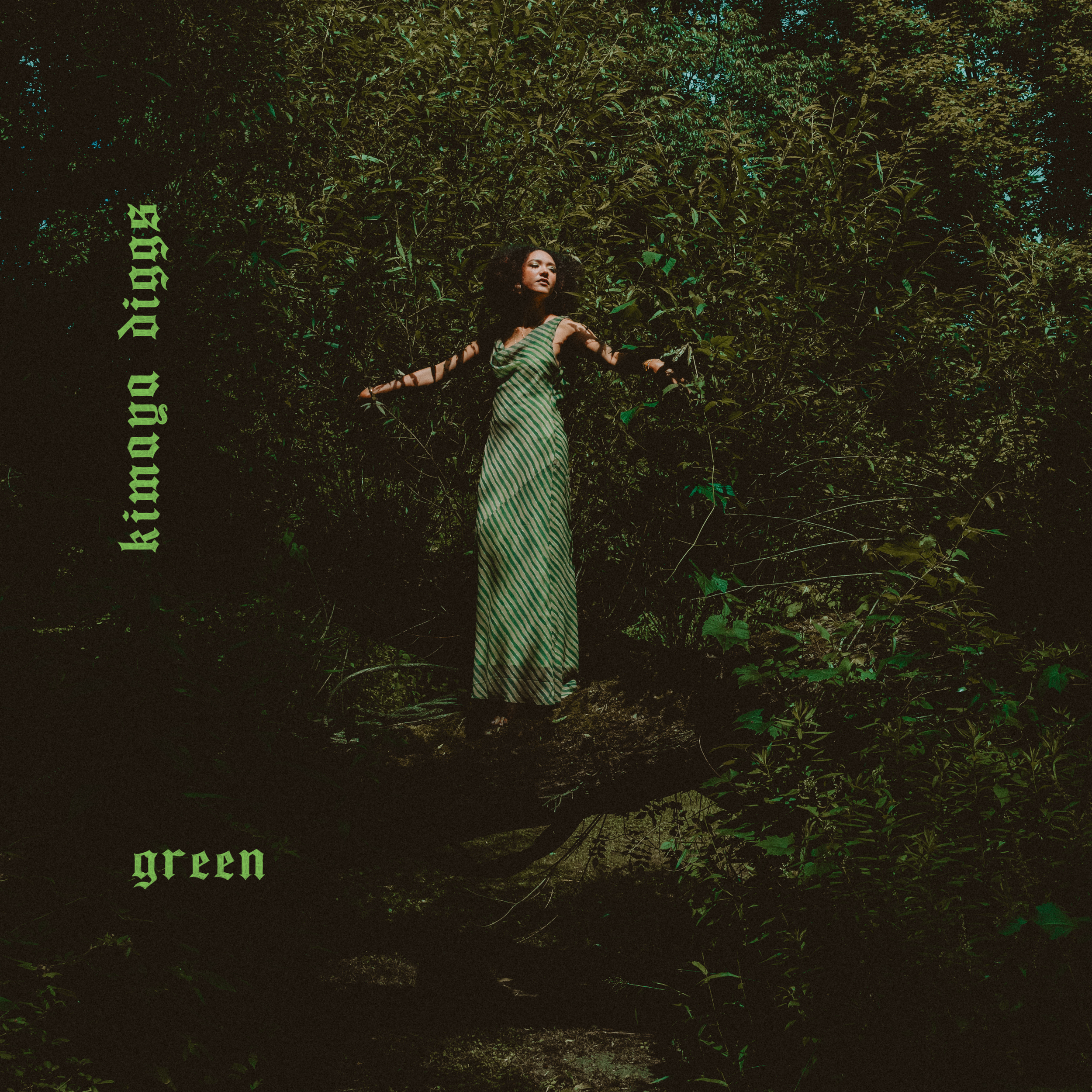
About the album
Recorded in May 2025 in Nashville, TN at Barnfire Creative // and by Kimaya Diggs & Jacob Rosazza in our home studio in Western MA.
Green sounds ~~~
David Linaburg (J. Cole) — Guitar
Eric Slick (Dr. Dog) — Drums
Rhees Williams — Bass
Jess Nolan (Jenny Lewis, New Pornographers) — Keys
Cavanaugh Mims — Keys
Ben Sanders — Guitar
Scott Hundsley — Engineer
Jacob Rosazza — Lots of things
Also featuring ~~~
Sen Morimoto (Hurray for the Riff Raff)
Lizzie No
Naomi Nye
Hannah Levy
Tobey Sol LaRoche
Kapali Long
Andy Cass
Reed Sutherland
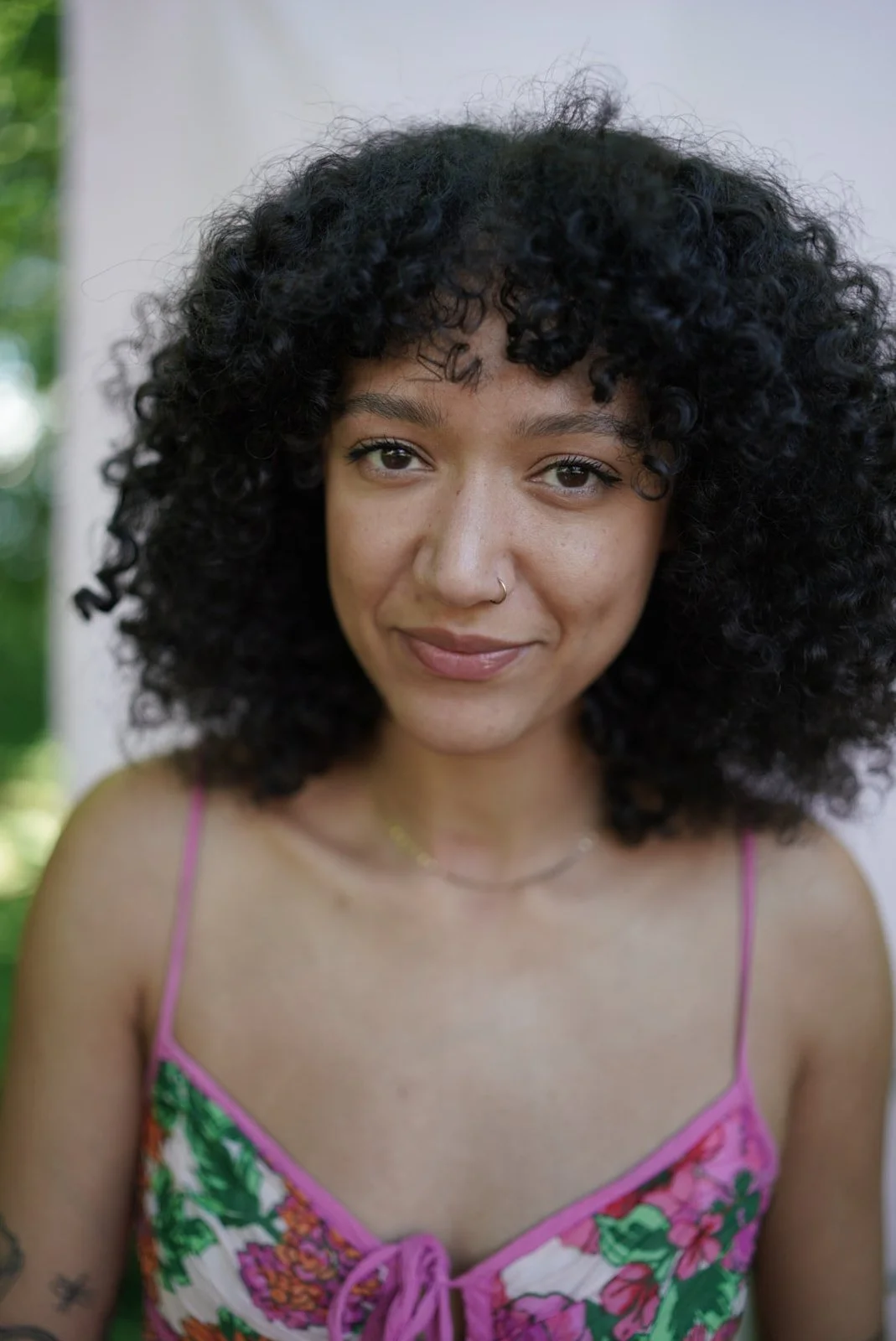
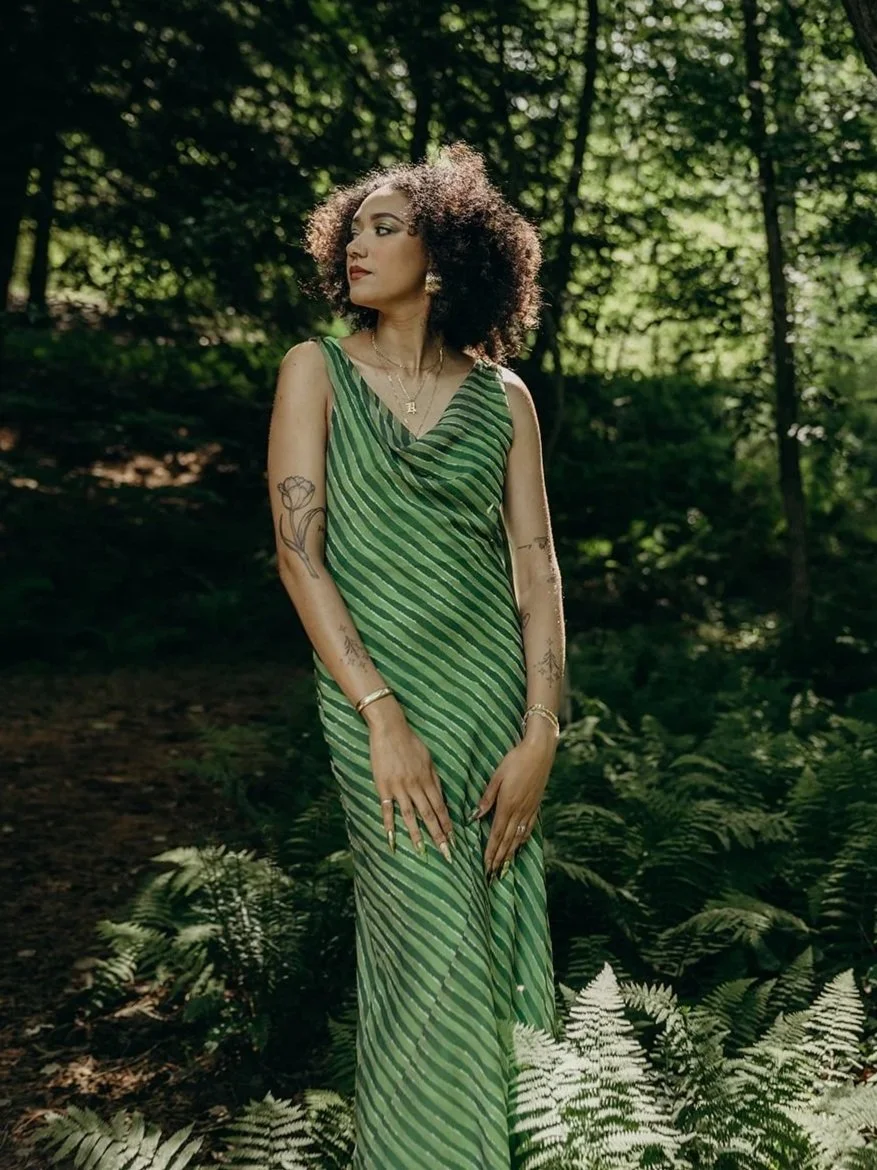
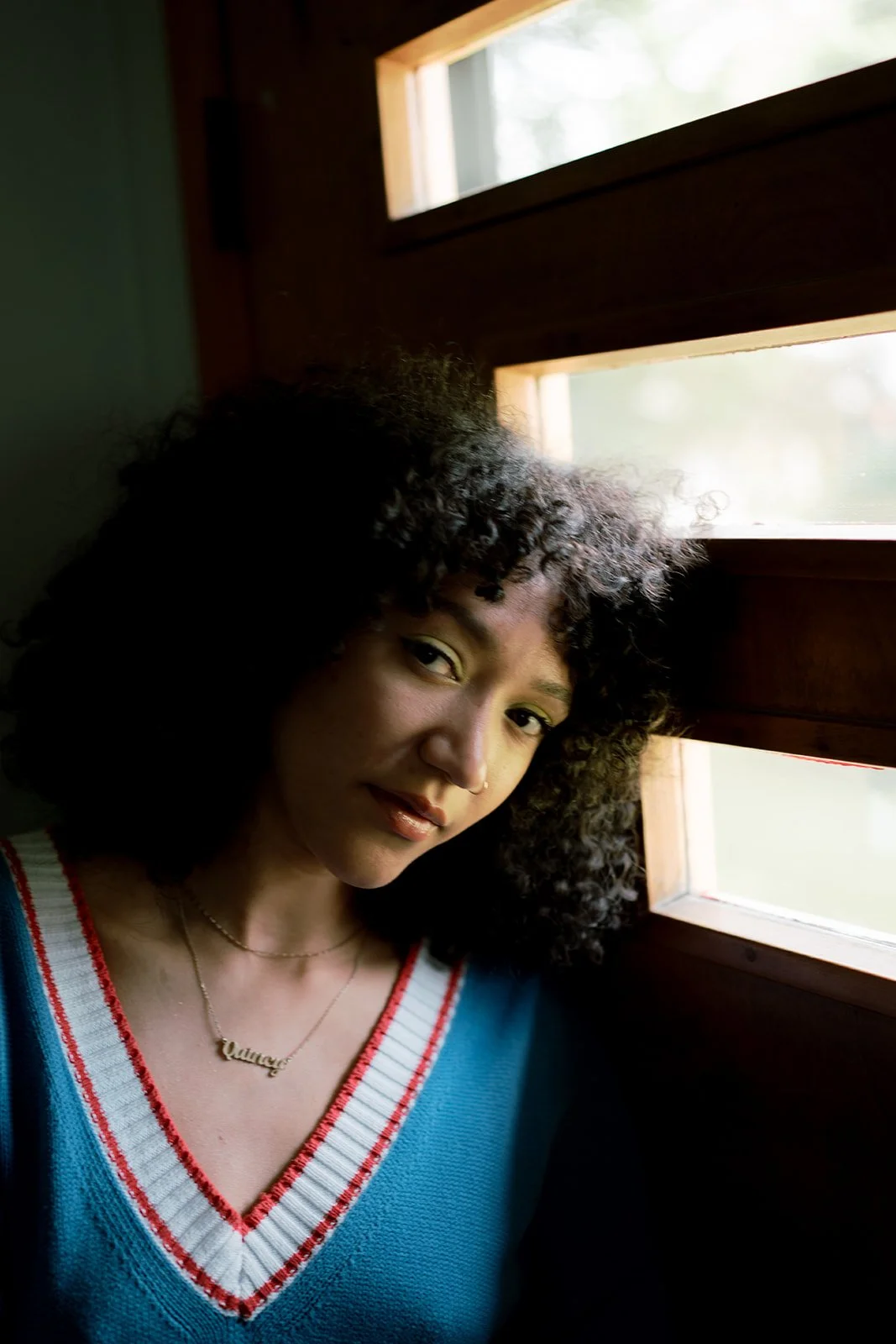
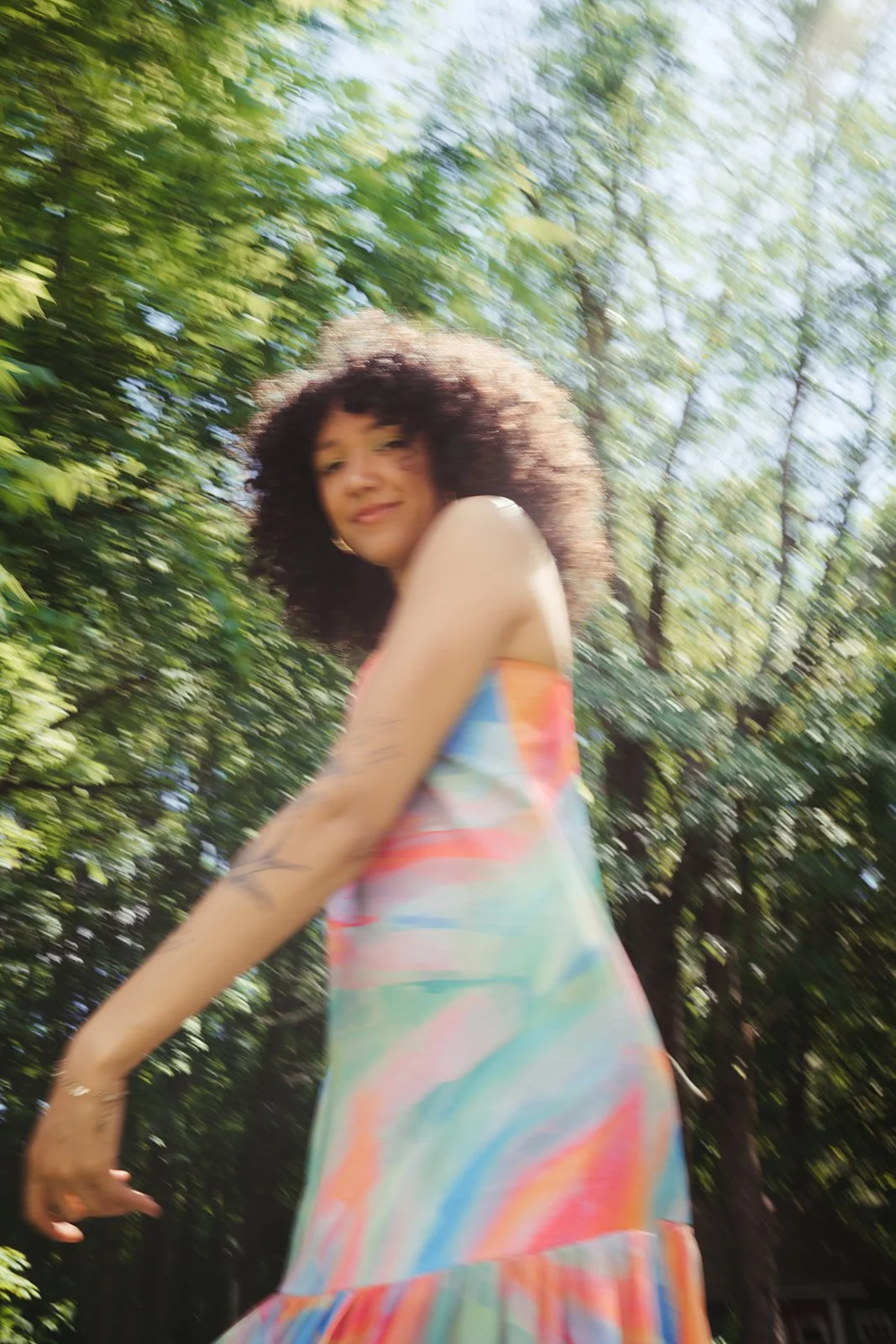
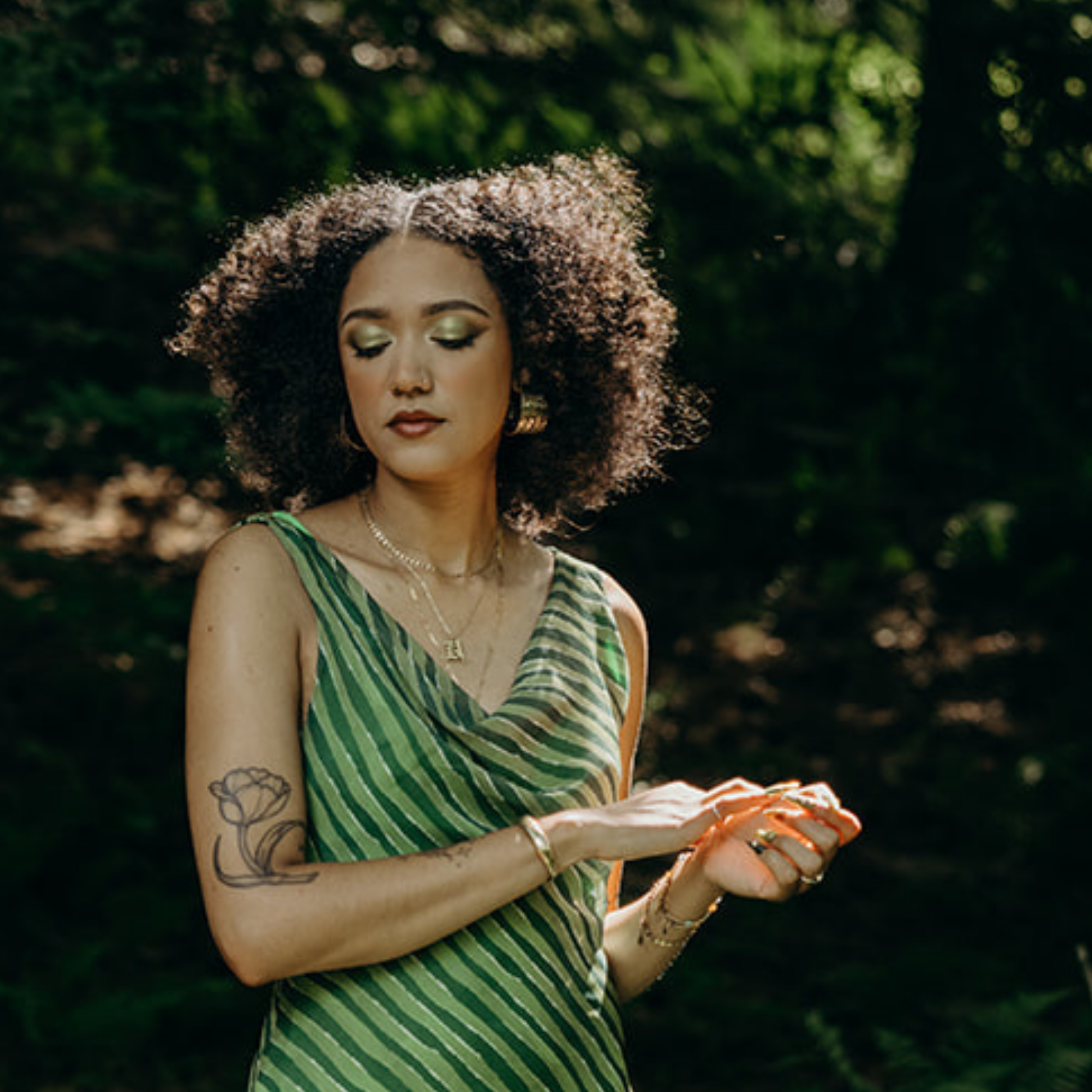
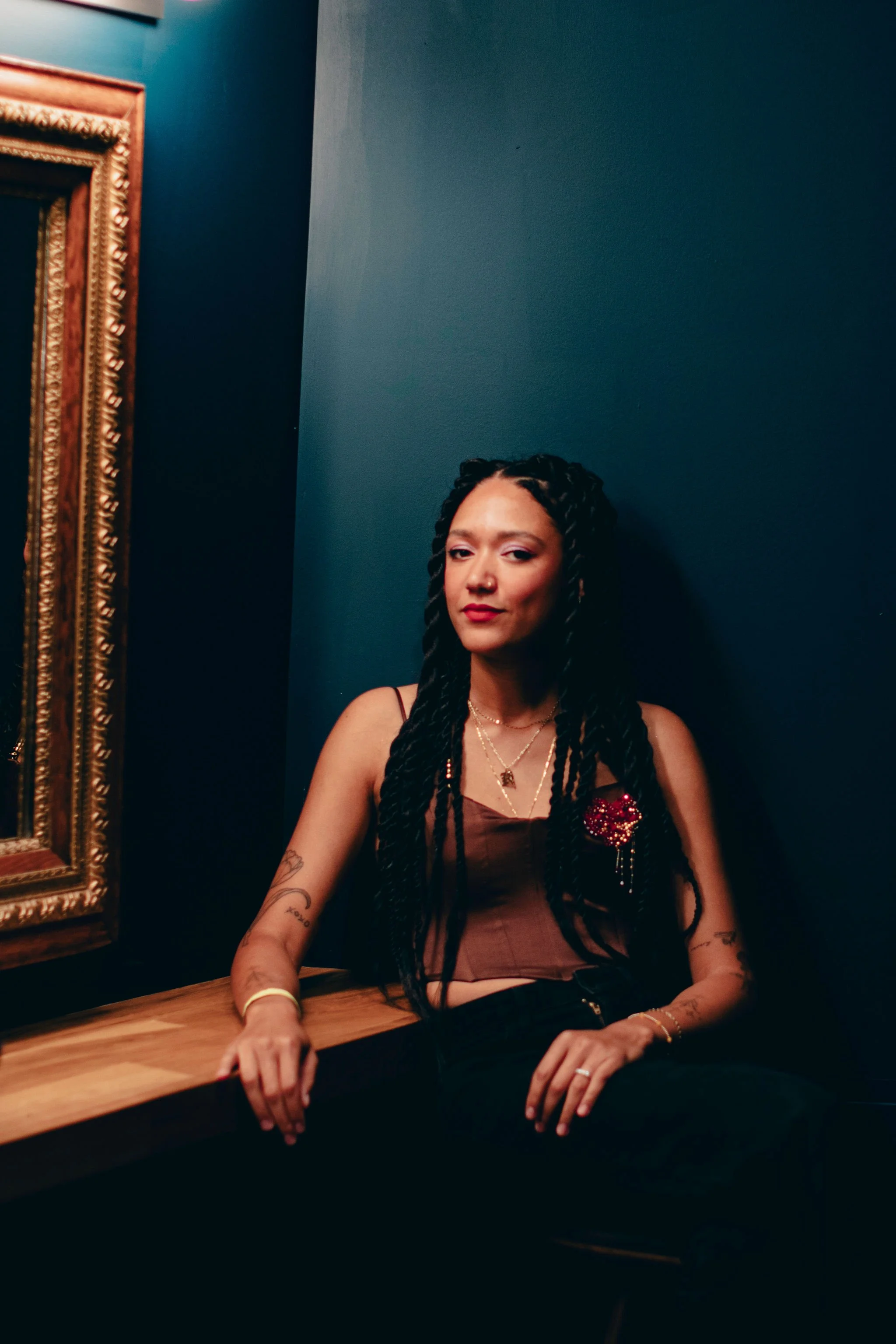
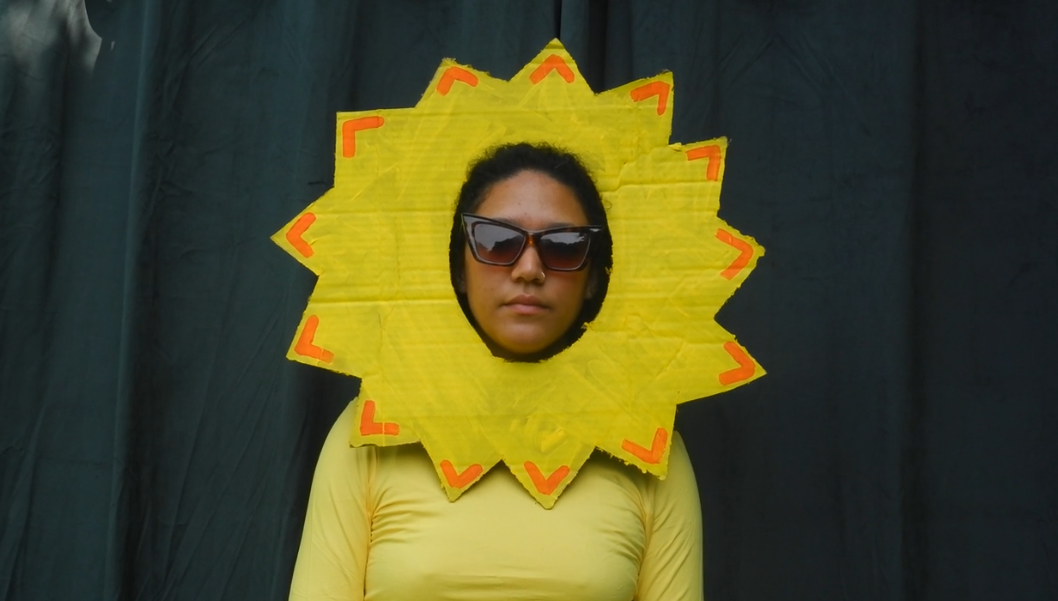
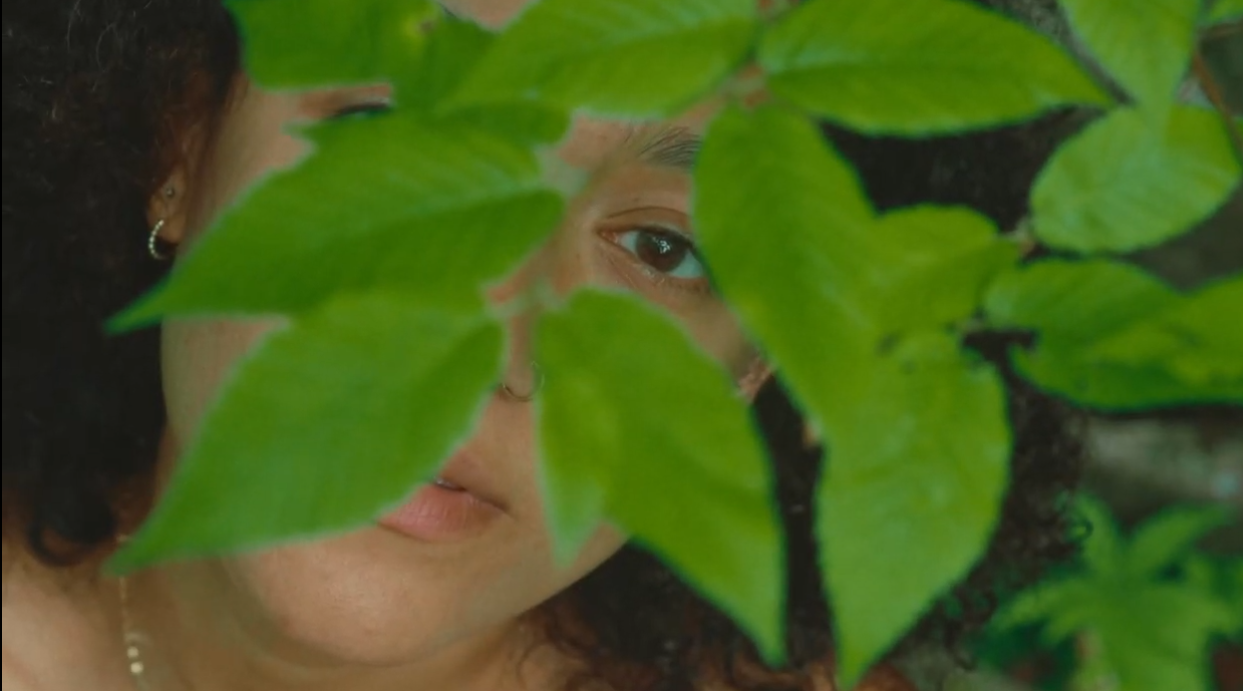
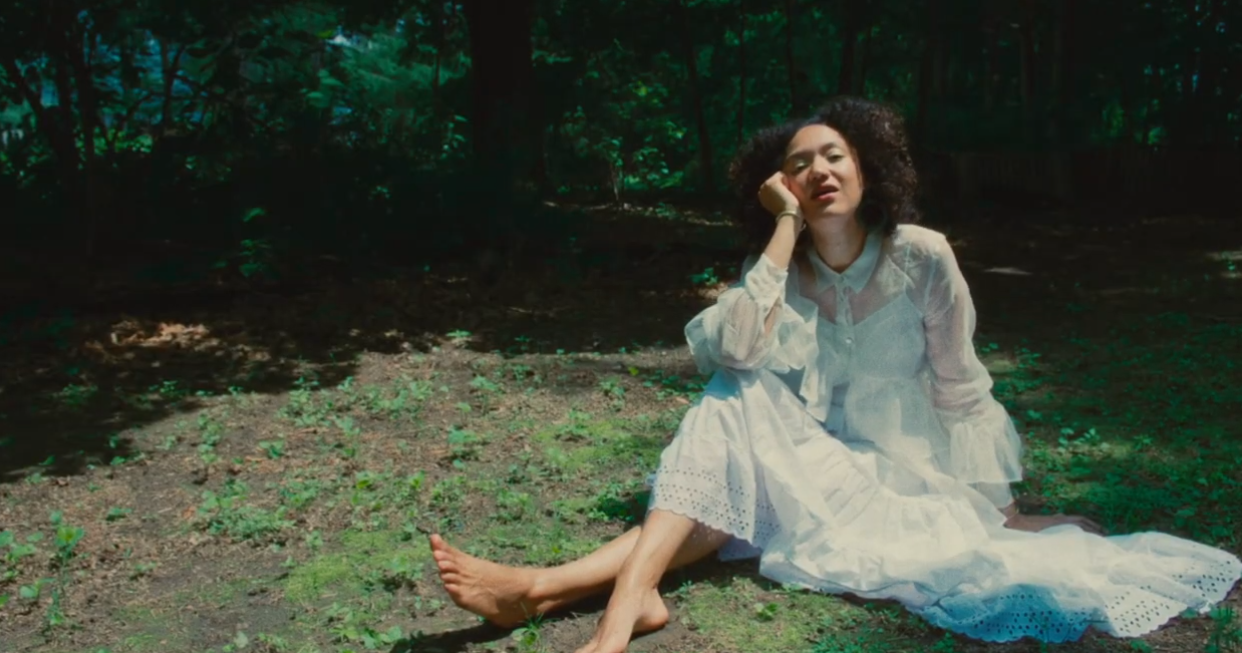
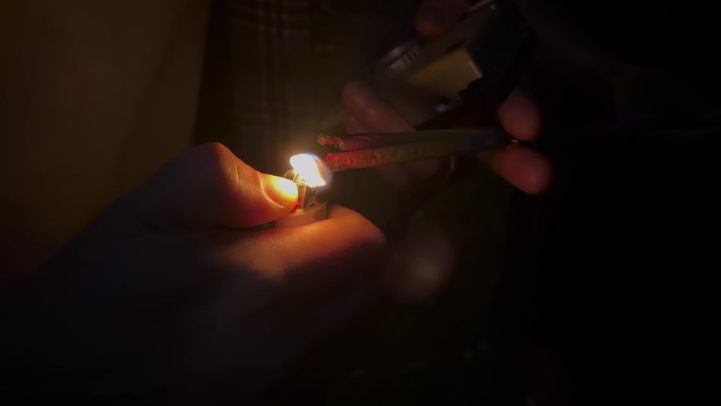
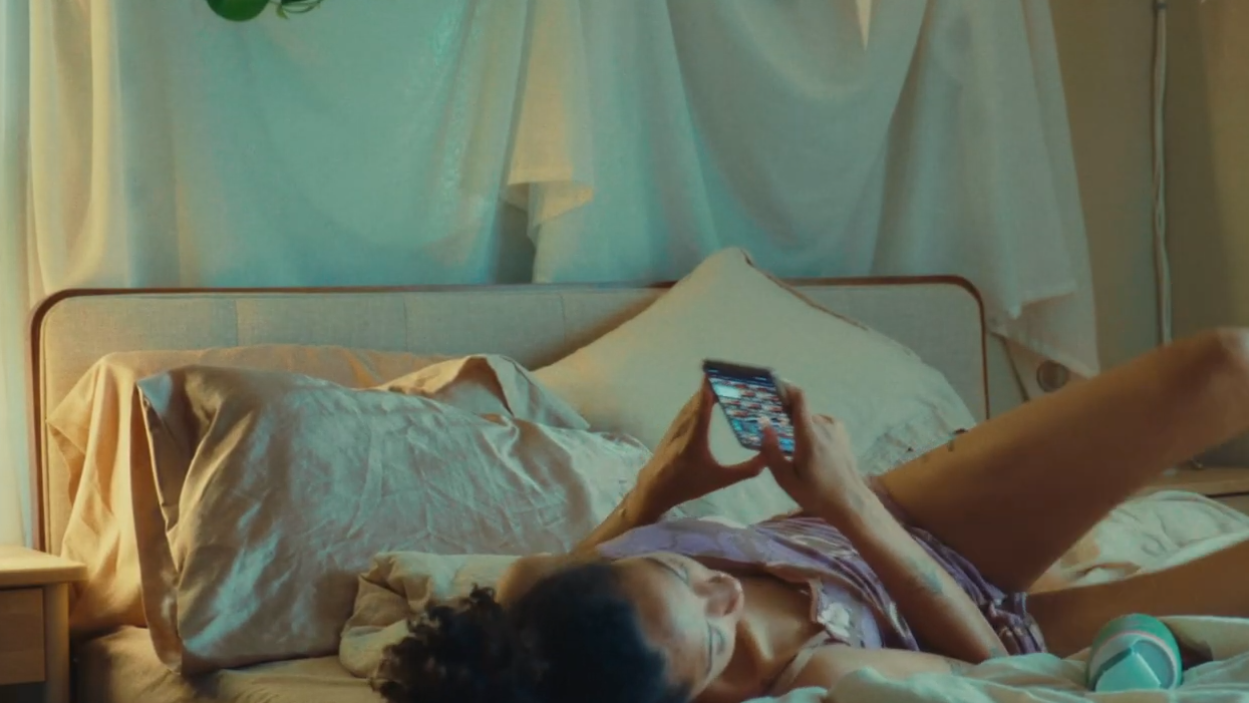
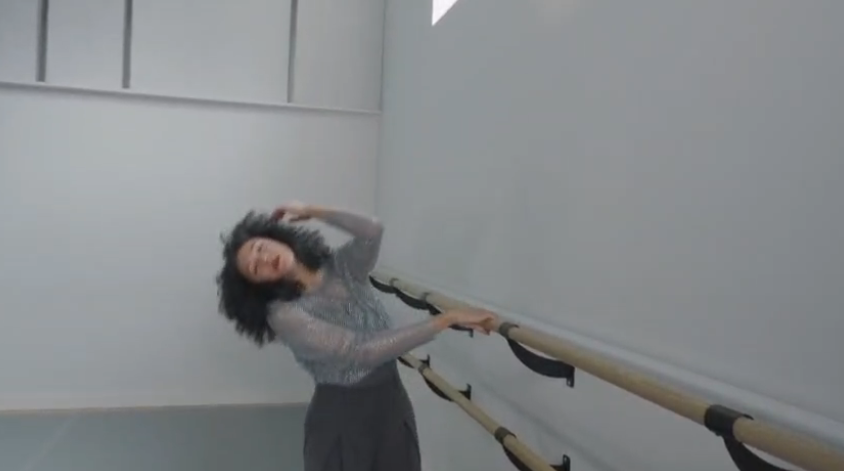
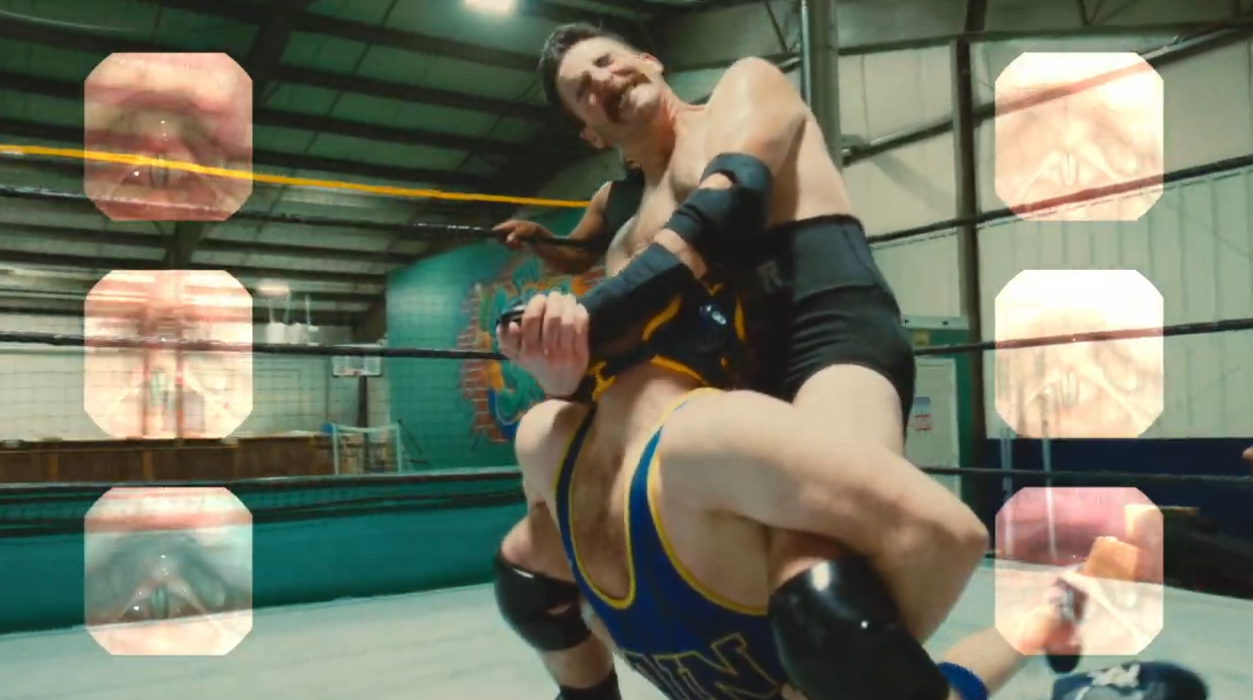
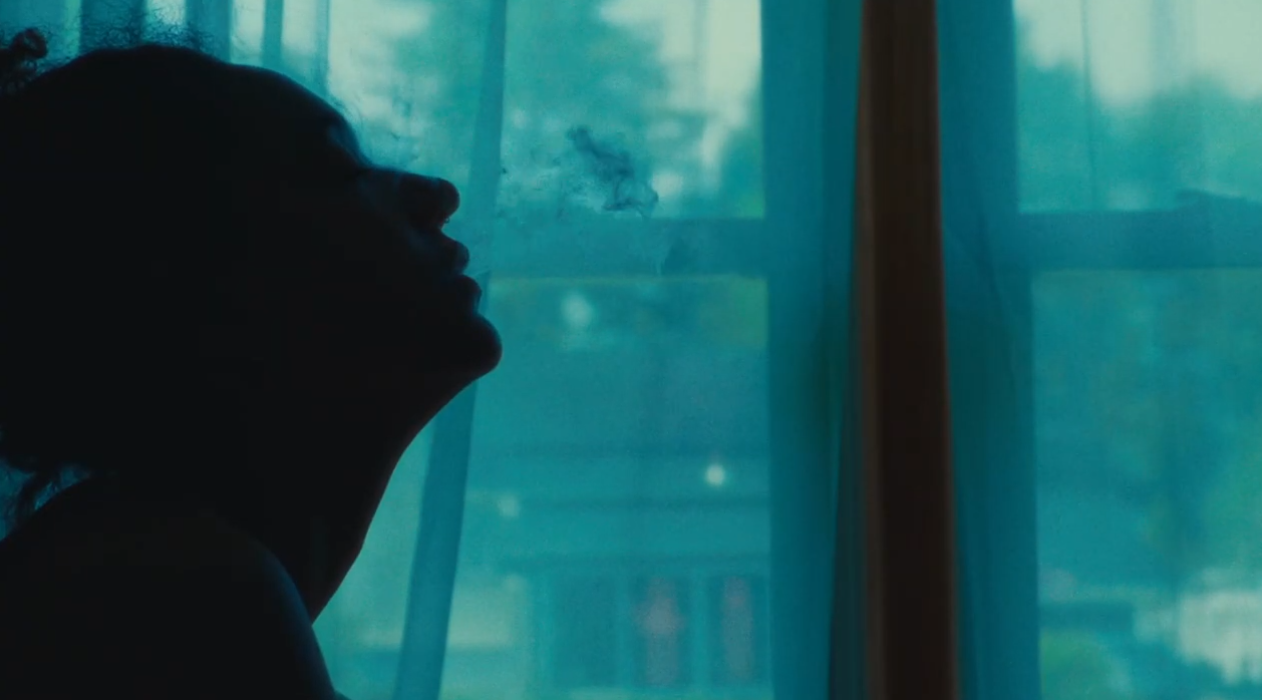
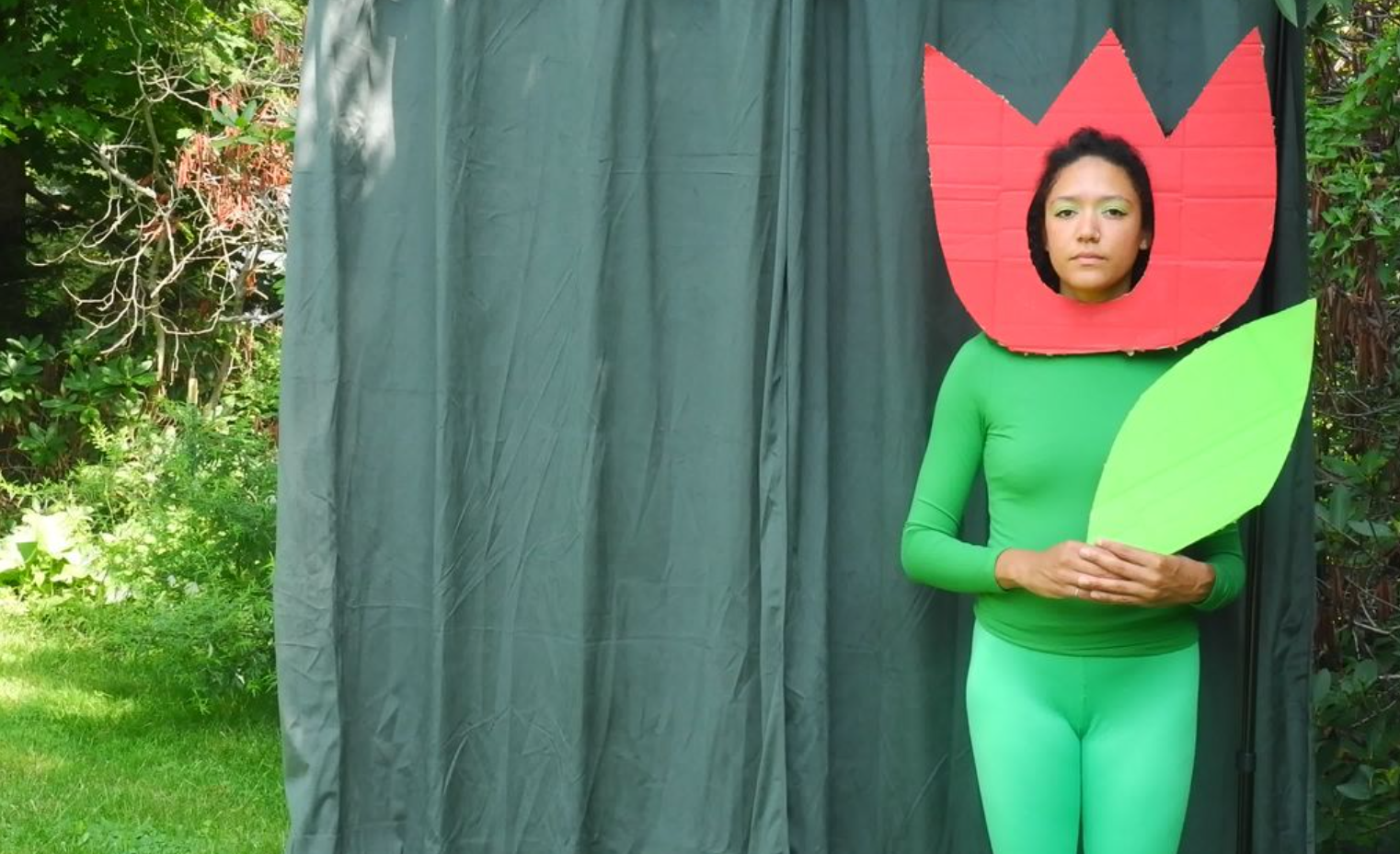
Music video stills
Green is accompanied by 14 music videos made by a range of Western MA filmmakers and artists.